Hydrotherapy Exercises & Aquatic Therapy: A Home Pool Guide
Hydrotherapy exercises, aquatic therapy techniques, contrast water therapy and cold plunge pool benefits — a practical wellness guide for a home pool in SEQ.
Published · Updated
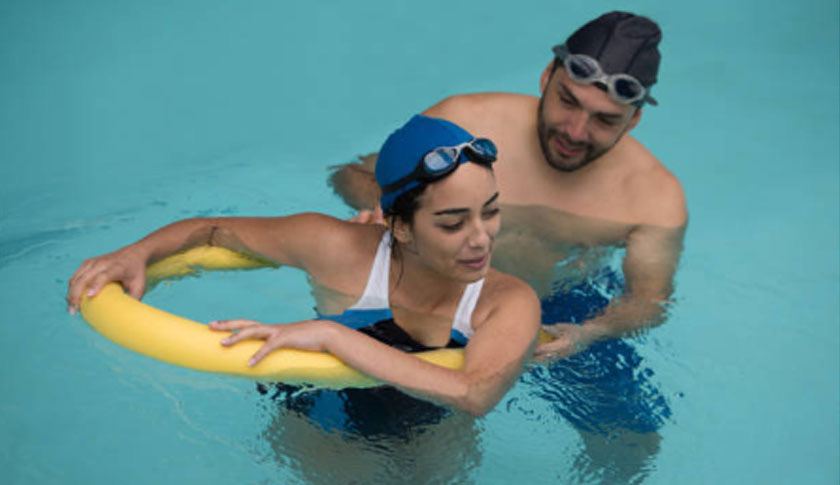
Direct answer
Water changes how the body moves. Buoyancy takes the load off joints, gentle resistance works the muscles in every direction, and warmth or cold shifts blood flow in ways that dry-land exercise can't easily copy. That's the whole premise behind hydrotherapy exercises and aquatic therapy — using the properties of water to move, recover and feel better with far less impact than a gym floor.
Most people meet this idea through a physio's rehab pool or an athlete's ice bath. But the same techniques translate to a backyard pool, and a fibreglass shell holds temperature well enough to make several of them practical at home. Here's how the main forms of aquatic therapy work, how contrast and cold-water methods fit in, and where a professional should stay in the loop.
What aquatic therapy exercises actually involve
Aquatic therapy is a set of low-impact exercises performed in water to support movement, strength and relaxation for people who struggle with land-based training. Practitioners lean on three named techniques, each with a different feel and purpose.
| Technique | Origin | What it works on |
|---|---|---|
| Ai Chi | Developed by Jun Konno in 1993 | Slow, flowing movements with diaphragmatic breathing, done standing in shoulder-deep water to build calm and gentle strength |
| Bad Ragaz Ring Method | Physiotherapists in Bad Ragaz, Switzerland | Resistive exercise with the patient lying supine, supported by flotation rings in shoulder- or waist-deep water, to mobilise and strengthen |
| Watsu | Harold Dull, Harbin Hot Springs, early 1980s | Passive stretches and flowing movement — combining elements of shiatsu, joint mobilisation, massage and dance — for deep relaxation |
Ai Chi blends Qigong and Tai Chi Chuan with progressive resistance. The client stands submerged to shoulder level, masters the breathing first, then adds slow limb movements while the practitioner watches breathing and body alignment. It reads as meditative, and that's the point.
The Bad Ragaz Ring Method grew out of Swiss physiotherapy research into water-based resistance work. The "ring" is literal — flotation devices support the patient while they perform strengthening and mobilising patterns floating on the surface.
Watsu is the gentlest of the three. A therapist guides you through stretches and flowing movement designed for release rather than exertion. It's closer to bodywork than a workout.
All three share one advantage: water carries most of your weight, so the joints and connective tissue aren't absorbing shock the way they do on land. For anyone recovering from injury, carrying extra weight, or simply past the point where high-impact exercise feels sensible, that changes what's possible in a session.
Aquatic therapy isn't for everyone — check first
Some conditions rule out water therapy, and that's not a footnote. Aquatic exercise is not recommended where someone has open wounds not covered by a bio-occlusive dressing, uncontrolled seizures, respiratory problems, incontinence, an elevated body temperature, hepatitis A, a bromine or chlorine allergy, or is taking cognition-altering medication. Pregnancy with complications is another reason to hold off.
Practitioners running these sessions are trained in first aid, CPR, defibrillation, oxygen administration and risk awareness for good reason. If you're using a pool for genuine rehabilitation rather than general fitness, build the program with a physiotherapist who can screen for these issues and set the movements to your body. A home pool gives you the environment; a professional gives you the plan. Underwater running on a treadmill is one structured technique that suits a home setup.
Contrast water therapy: hot to cold and back
Contrast water therapy alternates immersion in hot and cold water to drive blood circulation and flush waste from tired muscles. Move from cold to hot and your blood vessels dilate; move back to cold and they constrict. That repeated pump pushes oxygen- and nutrient-rich blood into the muscles while carrying inflammation mediators and waste away.
The temperatures trainers use are specific, not approximate:
| Plunge | Temperature | Effect |
|---|---|---|
| Cold | 10°C (50°F) | Slows inflammation, eases muscle soreness, speeds recovery |
| Hot | 40°C (104°F) | Relaxes and loosens the muscles |
The underlying principle is simple physics of the body: cold contracts, heat expands. Cold constricts the vessels and drives blood toward the core and vital organs; heat opens them so oxygenated blood circulates outward again. Alternating the two does more than either alone, and it does more than resting an ice pack on a sore spot — the whole-body circulation shift is what people are chasing.
People have used contrast bathing for a very long time, well before anyone measured a water temperature. Athletes and regular exercisers tend to notice it most after hard sessions, when delayed muscle soreness would otherwise settle in. At home, running one plunge cold and pairing it with a warmer soak is enough to try the technique — a compact plunge pool with a chiller holds that 10°C therapeutic band without much fuss.
How plunge pools help with recovery
A plunge pool aids recovery by giving muscles a controlled hot or cold environment straight after exertion, which is why sports teams keep them beside training grounds. Hard exercise leaves tiny tears — microtraumas — in the muscle fibres. Those tears trigger cell repair, and over time that repeated repair is what builds strength. The soreness and inflammation that come with them (Delayed Onset Muscle Soreness, or DOMS) are the unwanted side of the same process.
Cold water is the long-standing answer to that soreness. Take a cold plunge after a workout and you still get the strengthening benefit of the microtraumas, but with less of the DOMS ache. Teams install cold plunge pools precisely so players can drop straight in after practice. There's a mental side too — cold immersion tends to leave people feeling clearer and less wound-up, and regular plungers often report bouncing back from stress more easily.
Hot plunges work at the other end of the session. Used before training, the warm water increases blood flow, loosens the muscles and improves flexibility, so the muscle fibres are primed and less likely to strain during the work that follows.
You don't need a team jersey to use either. The same hot-and-cold setup works in a private backyard, and a plunge pool's small footprint makes it realistic for tighter SEQ blocks where a full lap pool won't fit.
Cold plunge pool benefits beyond recovery
Cold-water immersion is valued for a general lift in mood and alertness, on top of its role in muscle recovery. The shock of cold water is a jolt to the whole system — swimmers shriek on entry for a reason, and many describe feeling renewed once they're out.
A few commonly cited effects of regular cold-water swimming:
- A mood lift. Cold immersion is a form of physical exertion, and people frequently come out of it feeling brighter and more upbeat.
- Circulation. Cold water encourages blood flow as the body works to warm the extremities, flushing the capillaries, veins and arteries.
- A metabolic nudge. In cold conditions the heart pumps harder to move warm blood around the body, so the body works harder to hold its temperature than it would in a warm pool.
Treat these as general wellbeing observations rather than medical outcomes. Cold-water immersion isn't a treatment for any condition, and if you have a heart condition, high blood pressure or any circulatory concern, clear it with your GP before making cold plunges a habit. Ease in — short, sensible dips beat heroic ones.
Fitting therapy into a home pool
The gap between a therapy pool and a regular backyard pool is smaller than it looks. Warmth, depth and the ability to hold a steady temperature are what matter, and a fibreglass shell manages all three well — the smooth gelcoat surface is also easier on skin during long, slow sessions than rougher finishes.
Size drives most of the decision. A plunge pool or a spool (the small pool-spa hybrid) gives you a deep, contained body of water that heats and chills faster and cheaper than a large pool, which is exactly what contrast and cold work want.
Whatever the pool, keep the split clear in your head: general fitness and cold-water dips you can run yourself with common sense; genuine rehabilitation belongs in a program a physiotherapist has written for your body.
| Hand grab rails, installed | Price | |
|---|---|---|
| Hand Grab Rail - White | Hand Grab Rail – White RTD-348W | $1,507 |
| Hand Grab Rail – Graphite Grey | Hand Grab Rail – Graphite Grey RTD 348 | $1,507 |
| Hand Grab Rail - Black | Hand Grab Rail – Black RTD-348BL | $1,507 |
| Hand Grab Rail – Taupe | Hand Grab Rail – Taupe RTD-348T | $1,507 |
Colour-matched rails fitted during installation — one price across all colours.
FAQs
What are the main types of aquatic therapy exercises?
The three most established are Ai Chi (flowing movements with controlled breathing, done standing in shoulder-deep water), the Bad Ragaz Ring Method (resistance work while floating on flotation rings), and Watsu (passive stretches and flowing movement for deep relaxation). Each is low-impact because the water carries most of your body weight.
What is contrast water therapy?
Contrast water therapy alternates immersion in cold water (around 10°C) and hot water (around 40°C). The cold constricts blood vessels and the heat dilates them, and moving between the two pumps blood through the muscles to flush out waste and soreness. It's a common recovery method after intense exercise.
Are cold plunge pools good for muscle recovery?
Cold plunge pools help ease the delayed muscle soreness that follows hard exercise, letting the body recover more comfortably while still gaining the strengthening benefit of training. Sports teams keep them beside training grounds so players can plunge straight after a session. They also tend to leave people feeling mentally clearer.
Is a home pool suitable for hydrotherapy?
Yes, for general fitness and cold-water immersion a home pool works well, especially a compact plunge pool or spool that holds a steady temperature. For rehabilitation after injury, build the program with a physiotherapist who can screen for conditions that rule out water therapy and set the exercises to your needs.
Who should avoid aquatic therapy?
Water therapy isn't advised for people with open undressed wounds, uncontrolled seizures, respiratory problems, incontinence, an elevated body temperature, hepatitis A, a chlorine or bromine allergy, or those taking cognition-altering medication, or during a complicated pregnancy. Check with a health professional before starting if any of these apply.