Magnesium Pools: Benefits, Costs & Conversion Guide
Magnesium pools sanitise with magnesium chloride — silky water that is gentler on skin and eyes. Benefits, running costs and conversion explained.
Published · Updated
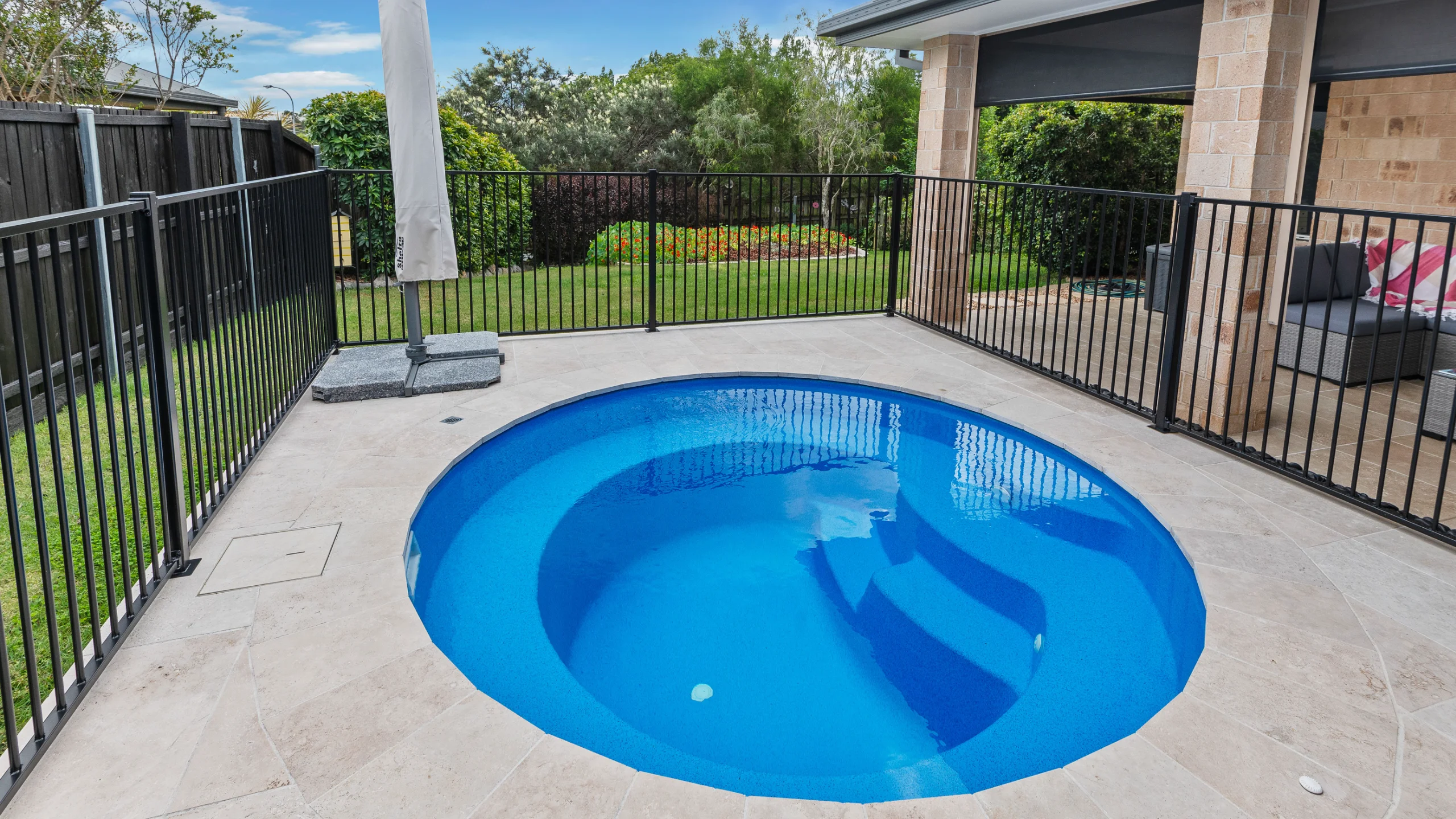
Once you own your dream pool, the next decision is how you're going to keep it clean. Chlorine has historically been the default, but more Australian pool owners are switching to magnesium — and once they do, they rarely switch back.
The short answer: a magnesium pool (also called a mineral pool) sanitises your water with magnesium chloride plus a much smaller dose of chlorine — around half of what a standard chlorine pool uses. The result is water that feels silky, doesn't sting your eyes, doesn't dry out your skin, and doesn't leave you smelling like a laundry. Any pool — fibreglass or concrete, new or old — can run as a magnesium pool without changing the shell, pump or filter.
This guide covers how magnesium pools work, what they cost to run, how they compare to chlorine and saltwater pools, and exactly how to convert your pool if you want to do it yourself.
Magnesium vs chlorine vs saltwater pools
| Magnesium (mineral) | Traditional chlorine | Saltwater | |
|---|---|---|---|
| Water feel | Silky, soft | Can feel harsh | Softer than chlorine |
| Eye/skin irritation | Minimal | Common | Mild |
| Chlorine smell | Barely noticeable | Strong | Mild |
| Chlorine required | ~50% less (added or generated) | Full dose | Generated from salt |
| Running cost | Slightly higher than chlorine | Lowest | Low–moderate |
| Works with fibreglass | Yes | Yes | Yes |
| Conversion needed | Minerals only — same pump & filter | — | Chlorinator cell |
The key thing to understand: a magnesium pool isn't a chlorine-free pool. It's a pool where minerals do most of the comfort work and a small amount of chlorine does the disinfecting. That combination is why the water feels so different while staying just as safe.
What magnesium pools are all about
In terms of design and build, magnesium pools are just like any other. They don't require different build materials or special installation. Rather, they are swimming pools with added minerals in the water — with magnesium being the key player.
There are two main components to a successful magnesium pool: magnesium, which is a mineral, and chloride, which is an electrolyte. Together they make magnesium chloride, a compound naturally found in seawater and brine.
Magnesium chloride is the superstar that sanitises your pool while making it feel better, smell better, and be more enjoyable overall. In addition to magnesium chloride, a small amount of chlorine or bromine is still required to kill bacteria and viruses and help prevent algae blooms.
The chlorine level required in a magnesium pool is roughly half of what a standard chlorine pool uses — low enough that it doesn't affect how the water feels or smells, which is exactly why magnesium water is better for your skin, eyes and clothing.
Mineral pools, and where magnesium fits
A mineral pool is a swimming pool sanitised by dissolved mineral salts — chiefly magnesium chloride and potassium chloride — instead of relying on chlorine or ordinary pool salt. The minerals soften the water and do much of the sanitising, so a mineral pool runs on roughly half the chlorine of a conventional pool. Magnesium is the mineral doing the heavy lifting, which is why a magnesium pool and a mineral pool describe the same water from two angles: the mineral pool is the category, and the magnesium pool is its most popular form.
A mineral pool system is the equipment that keeps that balance running. Most Australian mineral pools use a mineral chlorinator — the same style of unit as a saltwater chlorinator, but tuned for a magnesium-and-potassium blend rather than sodium. It generates a small, steady amount of chlorine from the minerals already in the water to kill bacteria, while the magnesium and potassium condition the water and keep it soft. There's no separate dosing pump to babysit; the system holds the balance day to day.
Mineral swimming pools have moved from niche to mainstream across Australia for the reason the rest of this guide covers: softer water, about 50% less chlorine, and a more pleasant swim. Every fibreglass pool we build can run as a mineral pool, and every model in our round pool range is set up for a magnesium mineral blend from day one.
Why so many people prefer magnesium swimming pools
Magnesium pools are favoured over chlorine pools for a reason. The water feels 'softer' and is often described as 'silky', and the overall experience is simply more enjoyable.
Who likes the smell of chemicals, the stinging of the eyes, and — for those who are blonde — a green tint to the hair? A magnesium pool provides a clean swimming experience without those side effects.
Magnesium pools reduce the need for chlorine and bromine by about 50%, which removes the chlorine smell from your swimming experience. The water is easier on the senses and gentler on the skin — something owners with sensitive skin, or conditions like eczema and psoriasis, notice quickly.
Beyond comfort, many owners choose magnesium for the wellness angle: magnesium is an essential mineral involved in over 300 functions in the body, from muscle and nerve function to sleep regulation. We've broken down what the research does (and doesn't) say, including why magnesium bathing has been used for recovery and relaxation for centuries.
If getting too much magnesium is a concern, don't worry — magnesium levels are closely regulated by the body, and any excess is simply excreted. There's no such thing as 'overdosing' on magnesium from swimming.
What does a magnesium pool cost in Australia?
There are two costs to think about:
Conversion cost. If you already own a pool, converting to magnesium means buying the minerals (roughly $30–$60 per 25kg bag, with a typical family pool needing 4–8 bags to establish) and, optionally, an in-line mineral system. Most owners are up and running for a few hundred dollars. No new pump, filter or shell required.
Ongoing cost. Expect running costs slightly above a traditional chlorine pool — you're buying minerals plus a reduced amount of chlorine. Many owners consider the difference (typically a few dollars a week) well worth it for the water quality. With tightly managed water chemistry it can even work out line-ball.
Building new? If you're planning a new pool and want to start on magnesium from day one, it makes no difference to the pool price — any of our fibreglass pools runs happily as a magnesium pool. You can see transparent, all-inclusive installed pricing for every model on our pricing page.
Magnesium plunge pools
A plunge pool is the cheapest way to own a magnesium pool, because every magnesium cost scales with water volume. Our 3m round Infinity 3 holds about 6,300 litres — going by the dosing table below, that's an establishment dose of roughly one 25kg bag of minerals, where a 50,000-litre family pool works through six. Every top-up after heavy rain follows the same maths.
The pairing suits how plunge pools actually get used, too. Owners run them warm and use them year-round — a heat pump holds a 6,000–10,000 litre shell at temperature through a South East Queensland winter for a fraction of what a full-size pool costs to heat — and the softer mineral water is a big part of why people want a warm soak pool in the first place.
Any of our round plunge pools (3m and 4m shells, all about 6,300 to 10,400 litres) or the rectangular plunge pools in our small pool range runs as a magnesium pool from its first fill — the sanitiser choice doesn't change the installed price.
Any pool can be converted to a magnesium pool
New or old, any pool can be converted to a magnesium pool regardless of material — concrete or fibreglass. You don't need a special pool shell, a different pump, or a new filter. Your pool, as it is now, can be turned into a magnesium pool.
The simplest way to make the switch is to talk to a pool maintenance expert who can handle the process for you. If you prefer the DIY approach, here's the full process.
Test water hardness
The DIY approach starts with testing water hardness.
If you're starting with an empty pool, first test the hardness of your water source. If it's above 225 ppm (275 for a concrete or plaster pool), use a hose filter when filling the pool.
Using a hose filter is always a good approach when filling or topping up. It helps remove other minerals, such as copper, which is ideal for maintaining the quality of a magnesium pool.
Allow your chlorine and bromine levels to drop
Before adding minerals, let your chlorine level drop to 0.5 parts per million (ppm) or lower.
For bromine, let the level drop to 1 ppm or lower.
Don't skip this step!
Test for metals
Before using a pool mineral sanitiser, test for metals so you know which ones your water source contains and in what quantity. It's worth taking a sample to your local pool store for detailed testing.
Pay attention to the results. If metal levels — especially copper — are high, add a metal sequestrant to the water after you fill the pool.
Balance the water
Once you've filled your pool and added a metal sequestrant (if needed), it's time to balance the water chemistry. Test with at-home strips or a liquid kit to get baseline levels, then balance in this order: alkalinity, pH, calcium hardness.
Target ranges:
- Total alkalinity: 100–150 ppm, with 125 ppm ideal
- pH: 7.4–7.6, with 7.5 ideal
- Calcium hardness: 200–275 ppm for a concrete or plaster pool; 175–225 ppm for any other type of pool
Add the minerals
Once the water is balanced, add the pool mineral sanitiser via the skimmer, a floating dispenser, or an in-line system (details below).
Whichever mineral system you use, follow the manufacturer's instructions and change the cartridge when necessary.
Add the supplemental sanitiser
Now add the supplemental sanitiser. Whether you use chlorine or bromine, add a little at a time and test in between.
Keep testing until you reach the correct level:
- Chlorine: 0.5 ppm
- Bromine: 1 ppm
How much magnesium mineral should you add?
Assuming you're starting from scratch (0 ppm) with a freshly filled pool, the following table is a rough guide to how much mineral to add. Always test your water before adding minerals and again as you approach the suggested amount.
| Water Volume in Your Pool | ||||||||
| Salinity | 10,000L | 20,000L | 30,000L | 40,000L | 50,000L | 60,000L | 70,000L | 80,000L |
| 0 ppm | 30 kgs | 60 kgs | 90 kgs | 120 kgs | 150 kgs | 180 kgs | 210 kgs | 240 kgs |
| 500 ppm | 20 kgs | 40 kgs | 60 kgs | 80 kgs | 100 kgs | 120 kgs | 140 kgs | 160 kgs |
| 1000 ppm | 20 kgs | 30 kgs | 50 kgs | 70 kgs | 90 kgs | 100 kgs | 120 kgs | 150 kgs |
| 1500 ppm | 10 kgs | 20 kgs | 30 kgs | 40 kgs | 50 kgs | 60 kgs | 70 kgs | 80 kgs |
| 2000 ppm | 10 kgs | 20 kgs | 30 kgs | 40 kgs | 50 kgs | 60 kgs | 70 kgs | 80 kgs |
| 2500 – 3500 ppm | 1/2 Bag | 10 kgs | 15 kgs | 20 kgs | 25 kgs | 30 kgs | 35 kgs | 40 kgs |
| 4000 ppm | 0 kgs | 0 kgs | 0 kg | 10 kgs | 10 kgs | 20 kgs | 20 kgs | 20 kgs |
| 4500 ppm | 0 kg | 0 kg | 0 kg | 0 kg | 0 kg | 0 kg | 0 kg | 0 kg |
How to add the pool mineral sanitiser to your pool
Transforming your pool into a magnesium pool doesn't require a new pump or special filters. There are a few simple devices to choose from:
- In-skimmer pool mineral systems: Small baskets designed to sit in your pool skimmer. You put the minerals inside and the skimmer draws water through them.
- Floating dispensers: These float freely in your pool with mineral and chlorine cartridges submerged. Once the cartridge is empty, they usually tip on their side to tell you it's time for a refill.
- In-line systems: A small unit integrated into your pool's existing plumbing that passes water through a mineral cartridge. Replace the cartridge when depleted.
The drawbacks of a mineral pool
There are pros and cons to everything, and magnesium pools are no different.
You'll still need some chlorine and bromine
Mineral pools need a little help from chlorine or bromine to keep the pool properly sanitised. The levels are less than half of what a chlorine pool uses, but they're not zero.
Maintenance will cost a little more
Compared to a chlorine pool, the combined cost of minerals plus reduced chlorine is slightly higher. The difference isn't dramatic, but it's real. In cases where pool chemistry is closely managed, mineral pools can even work out marginally cheaper.
Green oxidation stains
If your water has high copper content, oxidation can leave green stains on your pool's interior — regardless of what 'stain-free' marketing says. To avoid this, filter your hose water when filling and use a metal sequestrant.
Based on feedback from magnesium pool owners, none of these are deal-breakers — the pros comfortably outweigh the cons.
Magnesium pool FAQs
What is a mineral pool?
A mineral pool is a swimming pool sanitised by dissolved minerals — primarily magnesium chloride and potassium chloride — rather than chlorine or ordinary salt alone. The minerals soften the water and cut chlorine use by around half. A magnesium pool is the most common type of mineral pool.
Is a magnesium pool a mineral pool?
Yes. A magnesium pool is a mineral pool in which magnesium chloride is the main mineral. "Mineral pool" names the category; "magnesium pool" names the specific mineral doing the work. Every round pool we build runs a magnesium mineral blend from the day it's filled.
Can a plunge pool be a magnesium pool?
Yes — and the combination works unusually well. Minerals are dosed per litre, so a 6,300-litre round plunge pool establishes on roughly one 25kg bag where a full-size pool needs six, and ongoing top-ups are proportionally cheaper. Every model in our round pool range runs magnesium from day one.
Are magnesium pools worth it?
If water comfort matters to you — no stinging eyes, no chlorine smell, no tight dry skin after a swim — most owners say emphatically yes. The running cost premium over chlorine is small, and there's no conversion barrier for existing pools.
Do magnesium pools still use chlorine?
Yes, but roughly half the amount of a standard chlorine pool. The chlorine handles disinfection; the magnesium handles water quality and feel.
Can a fibreglass pool be a magnesium pool?
Absolutely — fibreglass and magnesium are a great pairing. The smooth gelcoat surface of a fibreglass shell is non-porous and doesn't react with minerals. Every pool in our range runs happily on magnesium.
Magnesium pool vs saltwater pool — what's the difference?
A saltwater pool uses a chlorinator to convert salt (sodium chloride) into chlorine — it's still a chlorine pool, just self-producing. A magnesium pool replaces most of that sodium chloride with magnesium chloride (often blended with potassium chloride), which is what creates the mineral-bath feel. Many magnesium systems still use a chlorinator, just running on mineral salts instead. The three-way salt, magnesium and chlorine pools comparison comes down to feel, running cost and upkeep.
How often do I need to add minerals?
Minerals deplete through splash-out, backwashing and top-ups rather than evaporation, so most owners top up a few times a year. Magnesium pool maintenance is the same weekly routine as any other pool, plus one extra check each month: the mineral level. Test salinity monthly as part of your regular fibreglass pool maintenance routine.
Interested in adding a magnesium pool to your backyard? Browse our fibreglass pool range, check transparent installed pricing, or book a free site visit and we'll help you find the right pool for your block.