Can a Crane Lift a Pool Into My Backyard? Access & Costs
Yes — cranes routinely lift fibreglass pool shells over Brisbane homes. The four conditions that decide a lift, plus crane and traffic-control costs.
Written by Tehbyn Nova, Head of Operations & Growth · Technically reviewed by Caleb Druhan, General Manager (QBCC licence 15087383) on
Published · Updated
Direct answer
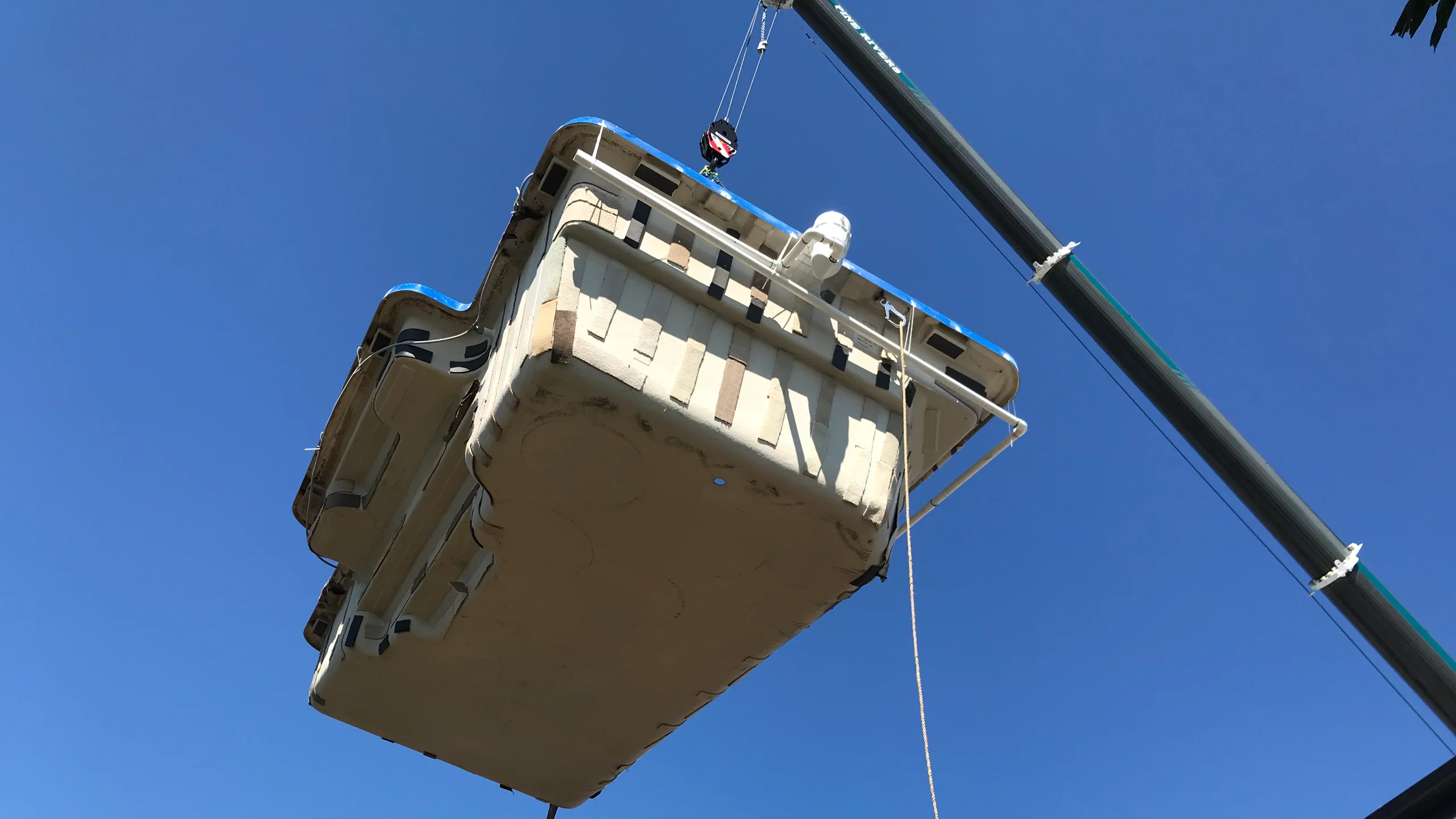
A crane can lift a fibreglass pool shell over a house and lower it into a backyard excavation. This is a standard procedure for crane operators and pool installers.
The conditions described here apply to residential properties in Brisbane and serviceable areas of South East Queensland. They indicate what is typically possible but do not replace a site assessment by the installer and crane crew.
Can a crane lift a fibreglass pool shell into a Brisbane backyard
Yes, a crane can usually lift a fibreglass pool shell over fences, high walls, and two-storey houses. Crane selection depends on the required reach and the obstacles on the site. Longer lifts require a larger crane.
Powerlines across the property frontage are common on Brisbane and Gold Coast blocks. Powerlines or a second storey in the lift path may require a larger crane. Most residential sites can accommodate the lift when the crane is selected for the site conditions.
A fibreglass pool shell arrives as one prefabricated piece. It can be up to about 11 m long and 4 m wide. Empty shells for the pools we install weigh from about 379 kg for a 4 m plunge pool to about 1,223 kg for an 11 m lap pool. This is approximately 100 kg per metre of pool length.
The shell’s size makes it difficult to move through a standard driveway or narrow side path. The pool arrives by truck and must be moved from the truck to the excavation. If it cannot be driven into the property, a crane is hired for the day and set up at the front of the property. Before lowering the shell, the crew checks its alignment with the excavation.
A crane allows the crew to raise and lower the shell in a controlled way. It reduces manual lifting and dragging, which can cause muscle strain and back injuries. It also reduces the manual labour required for placement.
The site must still meet the crane’s operating requirements. The crane needs a suitable setup area, firm ground, and a clear lift path over the property.
Site-access conditions that determine a crane lift
Site access determines how the excavator, trucks, and crane reach the backyard. It is the main variable in most South East Queensland installations. The width of the side path determines whether the pool shell can be driven into the backyard or must be lifted by crane.
| Side access width | What can reach the backyard | How the shell gets in |
|---|---|---|
| 3 m or more | Our preferred opening. With the hole within 5 m of the truck, the tipper reaches the hole directly and the spoil is not carted | Driven in |
| About 2.5 m to 3 m | A firm side path of roughly 2.5 m lets an excavator and the shell trailer reach the backyard | Driven in |
| 1.57 m to 2.5 m | Full-size excavator and bobcat | Craned over the house |
| 1.38 m to 1.57 m | Mini excavator paired with a standard bobcat | Craned over the house |
| About 1.25 m to 1.38 m | Mini machinery only | Craned over the house |
| Blocked by a fence, carport or the neighbour's boundary | Nothing reaches the backyard along the side | Craned over the house |
Four conditions determine whether a crane lift can proceed.
- A suitable crane setup position at the front of the property. The crane usually sets up at the street frontage. There must be enough space for the crane, its outriggers, and the swing. A street that is too narrow for the crane can prevent an over-the-house lift. If the crane must occupy the road, traffic control is also required.
- Enough boom reach from the setup position to the excavation. Load radius is the horizontal distance from the crane to the suspended shell above the excavation. A hole farther back on the block requires a longer load radius and a larger crane. Over-the-house lifts are generally sized according to reach rather than shell weight. The lift cannot proceed if the crane cannot reach beyond the house.
- A clear lift path over the property. The shell must travel from the truck to the excavation without contacting overhead wires, tree branches, walls, fences, or the roofline. Cutting branches may require a permit. If there is enough clearance, the crane can move the shell over walls and other obstructions without damaging the property. Power lines that are too close to the lift path can prevent the lift.
- Firm, level ground for the crane. The crane transfers its weight through its outriggers. Soft, uneven, or sloping ground can make setup difficult or unsafe. A driveway must also be able to support the loaded crane.
If these conditions are met, the crane can lower the shell into its designated position.
“Before we confirm the exact crane model we use on site, our qualified site supervisors will complete an audit of your build plan. This includes a crane check in which our team measures the distance to your pool placement, overhead obstacles, and determines exactly where the crane should set up, and what model has a boom long enough to reach the pool's position. No surprises on install day, and a safe lift for you and your neighbours.”

Ground conditions can affect both the crane setup and the excavation. For example, rock under the topsoil can increase crane requirements and excavation costs.
The shell is manufactured off site and delivered by truck after excavation is complete. It is then placed into the excavation and backfilled. The hole and its base must be ready when the crane and truck arrive. If excavation is delayed, the crane booking must also be moved.
During installation, the crane holds the shell above the excavation while the crew aligns it with the prepared base. The crane then lowers the shell into position. Because the shell travels through the air, little or no ground preparation is required along the lift path. This helps avoid disturbance to lawns, garden beds, and paving.
Who lifts and places the shell
Two parties handle the pool shell during delivery. The crane crew removes the shell from the truck and lifts it over the house. The pool builders then lower the shell into position. The following table defines each party’s responsibilities.
| Responsible party | Responsibility | Scope and boundary |
|---|---|---|
| Crane operator | Rigs the pool shell and lifts it over high walls, fences, and the roofline into the backyard | From the delivery truck until the shell is suspended above the excavation |
| Pool builders on the installer’s crew | Lower the shell into its designated position and make final adjustments before backfilling | From the suspended shell until it is seated on the prepared base |
| Crane hire provider | Supplies a crane sized for the lift and, in many cases, a licensed operator | Some crane hire includes an operator. Otherwise, a licensed operator must be hired separately. |
Where the crane crew's work ends
Crane operators attach the pool structure and lift it over walls and other obstructions. They are responsible for the crane, rigging, and flight path. Crane hire providers supply the crane and, in many cases, its crew.
The pool installer books the lift as part of the installation. Once the shell is over the hole, the pool builder takes responsibility for final positioning. Clear roles help avoid delays while the crane is billing time.
Alternatives when a crane is not the right fit
When on-site excavation machinery is the better choice than a crane
An excavator may be suitable for placing the pool shell when crane access is difficult. Excavators are smaller and more manoeuvrable than cranes. They can operate on sites with limited access, overhead obstacles, or insufficient space to position a crane at the frontage.
Fibreglass shells, especially smaller models, may be within the excavator’s lifting capacity. If the excavator is already on site for digging, using it for placement avoids a separate crane booking and the associated coordination and waiting time.
An excavator can also provide precise levelling and controlled placement, reducing the risk of shell damage. The installer determines which machine is appropriate for the site. Access constraints can affect the installation cost.
Other ways a shell reaches a hard-access backyard
If a block has no usable side access, installers can use a crane to lift excavation equipment into the backyard. They can then use a conveyor belt to move spoil to the street.
A crane is the standard method for lifting a pool over a house. In tight urban spaces, remote locations, or other difficult sites, installers can use a helicopter instead. Helicopters are noisier and more expensive than cranes, so they are used when no other route is available.
What the crane adds to the quote
Drive-in access is the cheaper option. If the installation requires a crane, crane hire is a separate line item. A crane may be required when a fence, carport, or neighbouring boundary blocks access to the side of the house. Powerlines across the property frontage can also determine the required crane size. A longer reach requires a larger crane, and the price follows the machine. Costs can be higher for long-reach lifts over a house or lifts in tight urban streets.
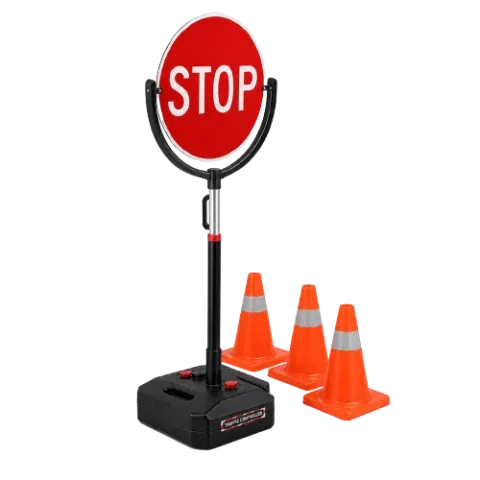
Our quotes include an allowance for a 20 t crane. If the site requires a larger crane, the quote includes a crane upgrade line. If the lift requires road access, the quote also includes traffic control. These costs are passed through at the supplier's rate.
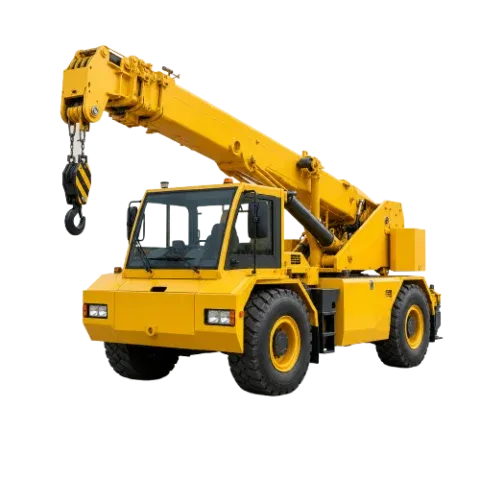
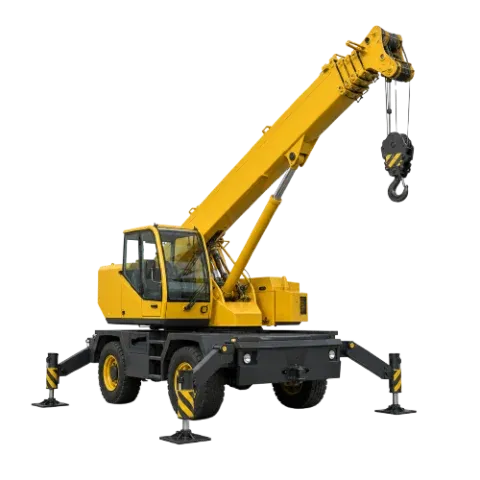
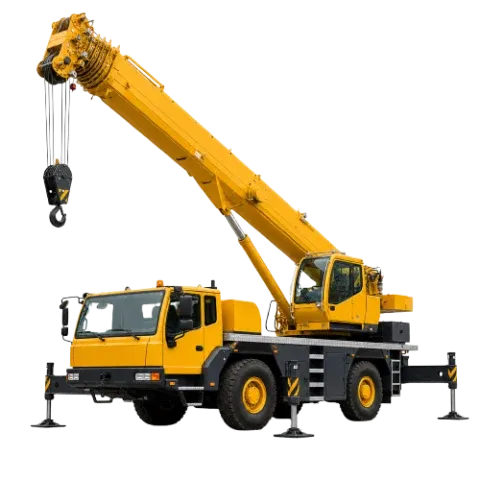
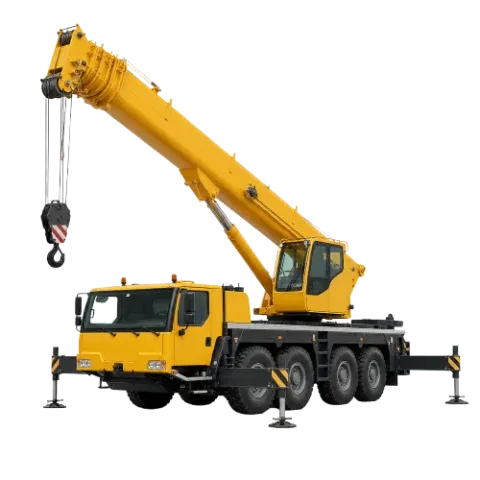
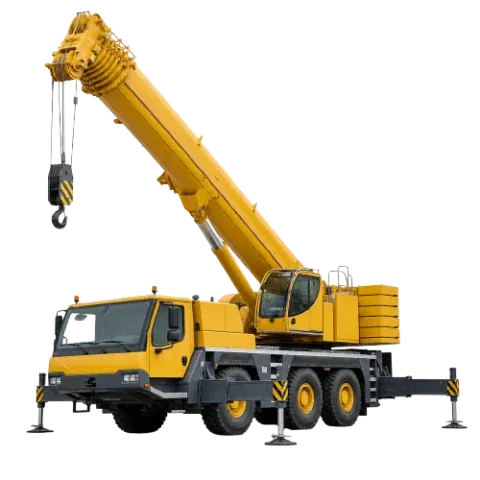
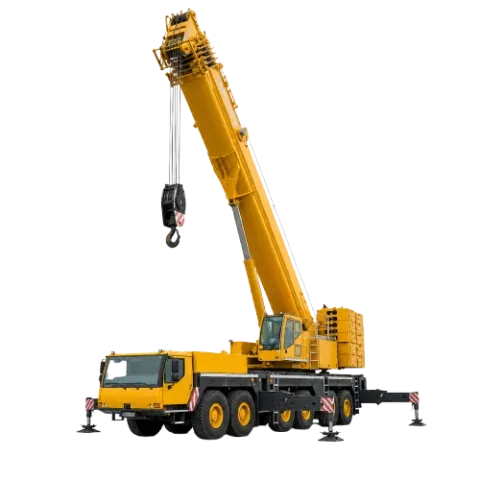
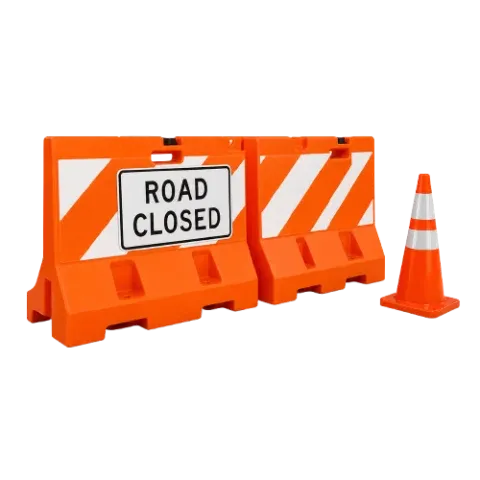
Live prices from our quoting system, GST inclusive, current at August 2026. A crane upgrade replaces the Franna crane included in the quoted price.
Crane hire is billed by the hour or by the job. Most crane rentals have a four-hour or eight-hour minimum charge, regardless of how long the lift takes. Setup takes one to two hours while the crew positions the outriggers and attaches the counterweights. Mobilisation covers travel between the equipment yard and the site and is charged separately. Rates are higher during periods of increased demand in Brisbane, Sydney, and Melbourne. Regional jobs may include additional transport fees because of limited availability.
| Published market figure | Amount | Scope |
|---|---|---|
| Crane hire in Australia | $170 to $1,000 per hour | Depends on crane type, job complexity, duration and location; operator fees, transport and permits may apply on top |
| Crane hire to lift a pool shell over a house | $500 to $1,500 | Quoted as a single figure for the shell lift |
Next steps and related project decisions
The prefabricated pool shell is delivered by truck after excavation and lifted directly into the ground. The crane booking is part of the installation schedule and affects how long a fibreglass pool installation takes from contract to handover.
A Brisbane pool installer books and manages the crane lift. The installer should assess site access before installation day. This assessment determines the required crane size, traffic control and delivery date.
To check whether your block is suitable for a crane lift, call 1300 30 60 11.