Magnesium Pool Benefits: Claims, Drawbacks & Evidence
Compare mineral pool water feel, costs and upkeep, and separate reported swimming comfort from claims the evidence does not establish.
Written by Tehbyn Nova, Head of Operations & Growth
Published · Updated
Direct answer
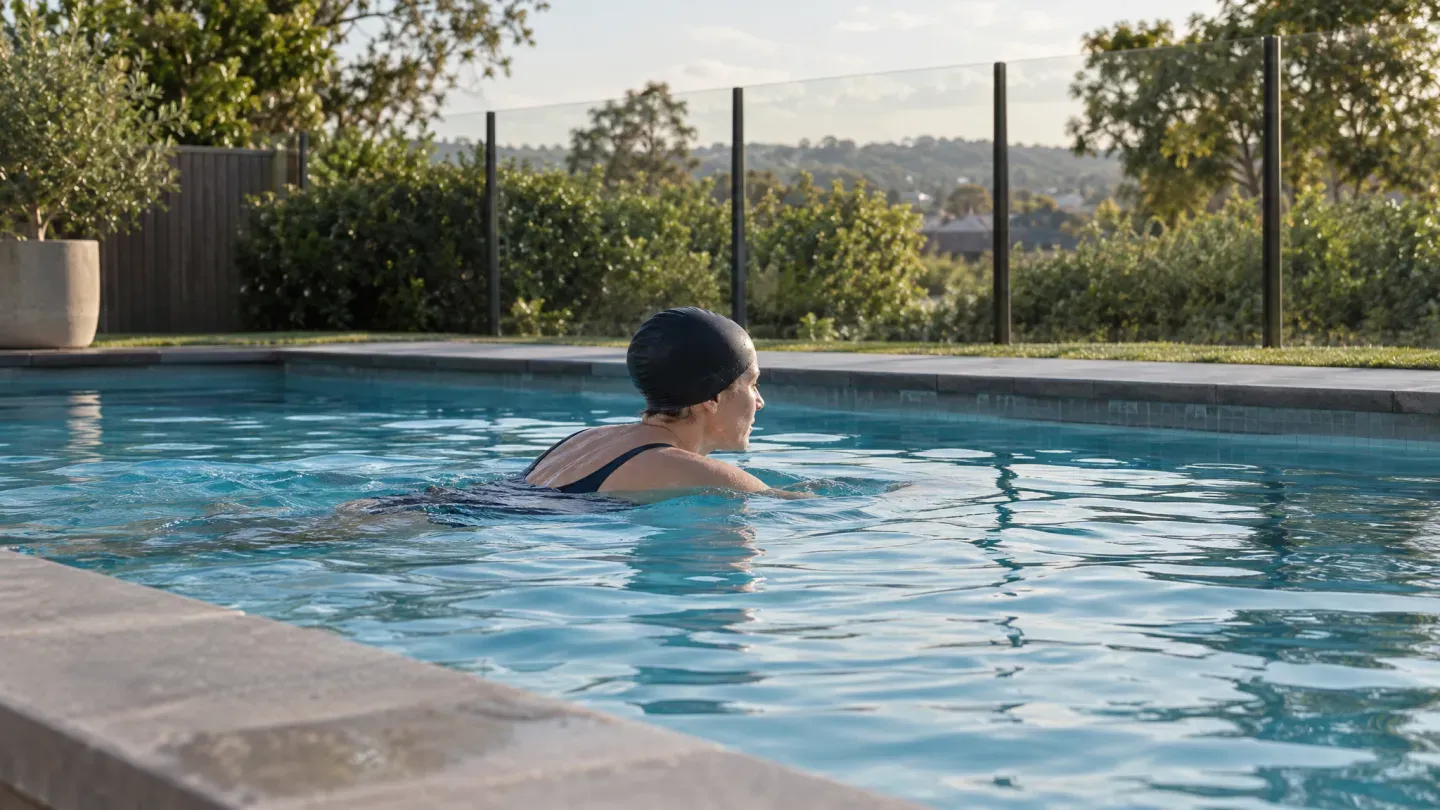
A mineral pool, also called a magnesium pool, uses a chlorinator to produce chlorine from a magnesium chloride blend. Claims about mineral pool benefits fall into three classes. Water chemistry claims describe how the chlorinator and blend affect the water and can be checked against pool operation. Comfort claims describe the swimming experience; owners report less irritation to their skin and eyes. Wellness claims include relaxation, muscle recovery, and magnesium absorption through the skin, but the evidence does not establish these effects.
The drawbacks depend on whether the system is installed with a new pool or added to an existing salt pool. A new pool can include a compatible mineral chlorinator in its initial specification. Converting an existing salt pool requires a chlorinator rated for the magnesium chloride blend and a change to the pool water.
What are the claimed benefits of a mineral pool?
A mineral pool is a chlorinated pool that uses a magnesium chloride blend instead of plain pool salt. A mineral chlorinator generates chlorine from chloride dissolved in the blend, as a salt chlorinator generates chlorine from sodium chloride. In both systems, the equipment produces chlorine on site, and the chlorine sanitises the water.
The claimed benefits of a mineral pool fall into three categories:
| Claim class | Claimed benefit | What the evidence discussion says |
|---|---|---|
| Water-chemistry (checkable) | Sanitising the pool | The supported water-chemistry claim is that a mineral chlorinator sanitises the pool by producing chlorine on site |
| Water-chemistry (checkable) | Reduced chemical smell | Chloramine levels depend on water balance and pool operation, not on the type of chloride used by the chlorinator. Magnesium does not control this smell |
| Comfort (owner-reported) | Water feels gentler on the skin and eyes than water in a chlorine-heavy pool | An owner-reported preference rather than a measured result |
| Wellness (marketed, unevidenced) | Relaxation, muscle relief and faster recovery | These remain marketing claims because the magnesium absorption mechanism on which they depend has not been established |
- Water-chemistry claims (checkable). The claim of reduced chemical smell concerns chloramine, which causes the smell commonly attributed to chlorine. Chloramine levels depend on water balance and pool operation, not on the type of chloride used by the chlorinator. Well-maintained mineral and salt pools have a similar smell, while neglected pools of either type can smell of chloramine. Magnesium does not control this smell. The supported water-chemistry claim is that a mineral chlorinator sanitises the pool by producing chlorine on site.
- Comfort claims (owner-reported). Some swimmers report that mineral pool water feels gentler on their skin and eyes than water in a chlorine-heavy pool. This is an owner-reported preference rather than a measured result. If a household prefers the water, it may use the pool more often.
- Wellness claims (marketed, unevidenced). Mineral pool marketing includes claims about relaxation, muscle relief and faster recovery. These remain marketing claims because the magnesium absorption mechanism on which they depend has not been established.
Does your body actually absorb magnesium from pool water?
Transdermal magnesium absorption from pool water is not an established effect. Therefore, benefits that depend on this absorption cannot be claimed. In a backyard mineral pool, dissolved magnesium chloride supplies the chloride that the chlorinator converts into chlorine.
Float tanks and therapy baths use magnesium concentrations that backyard pools do not use, and they involve short, timed immersion. These products differ from magnesium pools in both water composition and immersion time. An association with float tanks or therapy baths does not establish transdermal magnesium absorption from pool water.
Mineral pool water feels different on the skin from water in a pool that uses plain pool salt. A well-operated mineral pool can also have less chloramine odor than a neglected pool of any type because chloramine levels depend on water balance and pool operation. Some swimmers report feeling relaxed after a long swim, but this does not distinguish an effect of the mineral water from an effect of swimming.
Chlorine pools, salt pools, and mineral pools all use chlorine for sanitation. They differ in how chlorine enters the water, how the water feels, and which products the owner must store, handle, and purchase to maintain water balance.
Do mineral pools help skin, eyes and eczema?
Mineral pools require the same water balancing as salt pools. Reports of lower irritation compared with chlorine-heavy water are associated with chloramine levels and water balance, not with magnesium in the mineral blend.
Skin. Dry or tight skin after swimming is associated with pH and chloramine readings. Some mineral pool owners report that the water feels softer on their skin, but this describes comfort rather than water hardness. Mineral pool water is not soft water in the plumbing sense because magnesium registers as hardness in water tests.
Eyes. Eye irritation is also associated with pH and chloramine readings. A well-balanced mineral pool and a well-balanced salt pool can be equally comfortable for open eyes, while poor water balance in either pool type can cause stinging. Swimmers should rinse with fresh water after using either pool type because both contain chlorine produced by the chlorinator.
Eczema. Some people with eczema report that mineral pool water suits their skin better than water in pools they used previously. These individual reports are not treatment claims. A doctor should manage eczema, while a pool builder can help by maintaining balanced pool water.
What are the disadvantages of a magnesium pool?
A magnesium pool has four disadvantages related to purchase and maintenance:
- The mineral blend costs more per bag than plain pool salt. This is a low-severity, ongoing cost. Each top-up requires more mineral blend, so consumable costs remain higher than for a salt pool. The difference is greater when the pool requires frequent top-ups.
- The chlorinator must be rated for the mineral blend. This is a high-severity, one-time cost. A mineral chlorinator is designed for the blend’s chemistry and hardness. A standard salt cell is not a direct substitute. An owner converting a working salt pool must therefore replace the existing chlorinator, even if it still works.
- Magnesium increases the water’s hardness load. This is a moderate, ongoing maintenance requirement. Magnesium contributes to measured hardness alongside calcium. Hardness must be managed throughout the life of the pool to prevent scale on pool surfaces and equipment and to prevent cloudy water. This requirement applies to both new pools and converted salt pools.
- The mineral blend is generally available from pool shops. This is a low-severity, occasional inconvenience. Pool salt is available from hardware stores and service stations across the country, while the magnesium chloride blend is stocked by pool shops. Owners may need to plan top-ups in advance.
Every pool we build includes a mineral chlorinator and the first year’s minerals. As a result, a new magnesium pool from us has no price premium over a salt pool. Owners converting an existing salt pool still pay for a compatible chlorinator.
Compared with chlorine and salt pools, these disadvantages relate to consumables and equipment. A chlorine pool requires the owner to buy, store, and handle chlorine. A salt pool uses pool salt and a salt chlorinator. A magnesium pool uses a magnesium chloride blend and a chlorinator rated for that blend. All three produce the same sanitiser in the water.
What problems do mineral pool owners actually report?
Mineral pool owners report four recurring problems related to dosing, chlorinator sizing, and water testing.
- Cloudy water after dosing. Water may become milky within a day of a mineral top-up. If minerals are added faster than the water can dissolve and circulate them, the minerals remain suspended in the water until filtration and circulation clear it.
- Green episodes when chlorine output lags demand. During hot weather and heavy pool use, chlorine demand can exceed the daily output of a chlorinator cell sized for the pool volume and normal bather load. The pool may then turn green.
- Hardness readings mistaken for calcium. Total-hardness tests measure magnesium as well as calcium. In a mineral pool, the result is a combined reading that owners may incorrectly interpret and treat as a calcium problem.
- Froth or a white film at the waterline. Surface agitation may produce foam, while an overdosed mineral blend and its hardness load may produce a pale film along the tile line. The film can persist while the water remains overdosed.
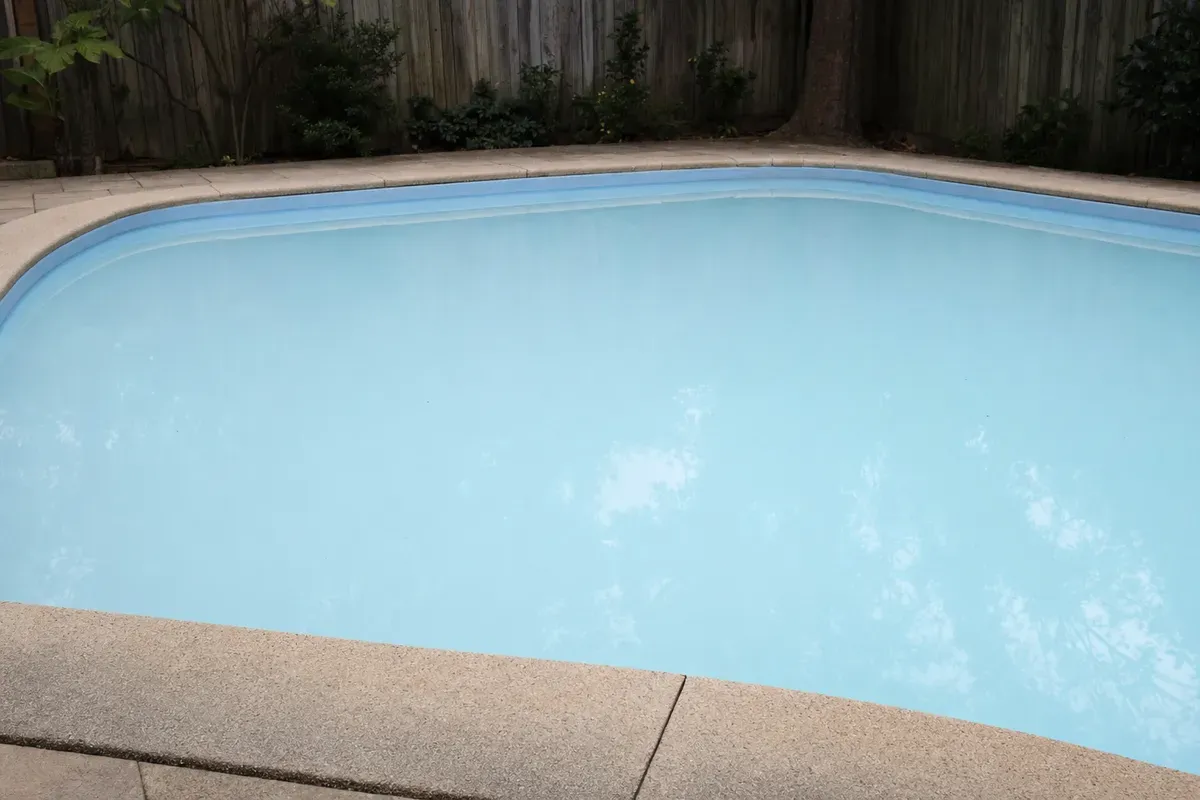
Measuring the pool volume and testing the water before dosing helps prevent cloudy water and white film. These steps are part of maintaining a magnesium pool. The maintenance page provides a corrective procedure for each problem listed above.
Are mineral pools safe for children, dogs and during pregnancy?
Mineral pools are chlorinated pools. A mineral chlorinator produces chlorine from a magnesium chloride blend, similar to how a salt chlorinator produces chlorine for a salt pool. Children and dogs are subject to the same general safety requirements as in other chlorinated pools. Questions about swimming during pregnancy require advice from a doctor.
Children. Queensland's pool barrier rules and pool safety certificate requirements apply equally to mineral pools and chlorine pools. The magnesium chloride blend used by the chlorinator does not change these requirements. A compliant pool barrier and continuous adult supervision are required for child safety around the pool.
Dogs. Dogs can swim in mineral pools under the same conditions as in other chlorinated pools. Dog hair loads a cartridge filter faster than swimmer hair, so regular swimming by a dog requires more frequent cartridge cleaning. Questions about whether swimming is appropriate for a dog's health should be directed to a veterinarian.
Pregnancy. A doctor should advise whether swimming is appropriate during pregnancy or under other medical circumstances. A pool builder can explain that a mineral pool contains chlorinated water and that its chlorinator produces chlorine from a magnesium chloride blend, but cannot provide medical advice.
Are magnesium pools worth it?
A magnesium pool may be worth buying in these situations:
- The household swims often. The main benefit is water feel. Frequent use and a long swim season give the household more opportunities to experience that benefit.
- Water feel is the deciding factor. Owners report that mineral pool water feels softer against the skin than salt pool water. This is an owner-reported preference, not a measured difference.
- The pool is a new build. The mineral chlorinator can be specified with the other pool equipment. Installation does not require removing a working chlorinator or changing over the existing water.
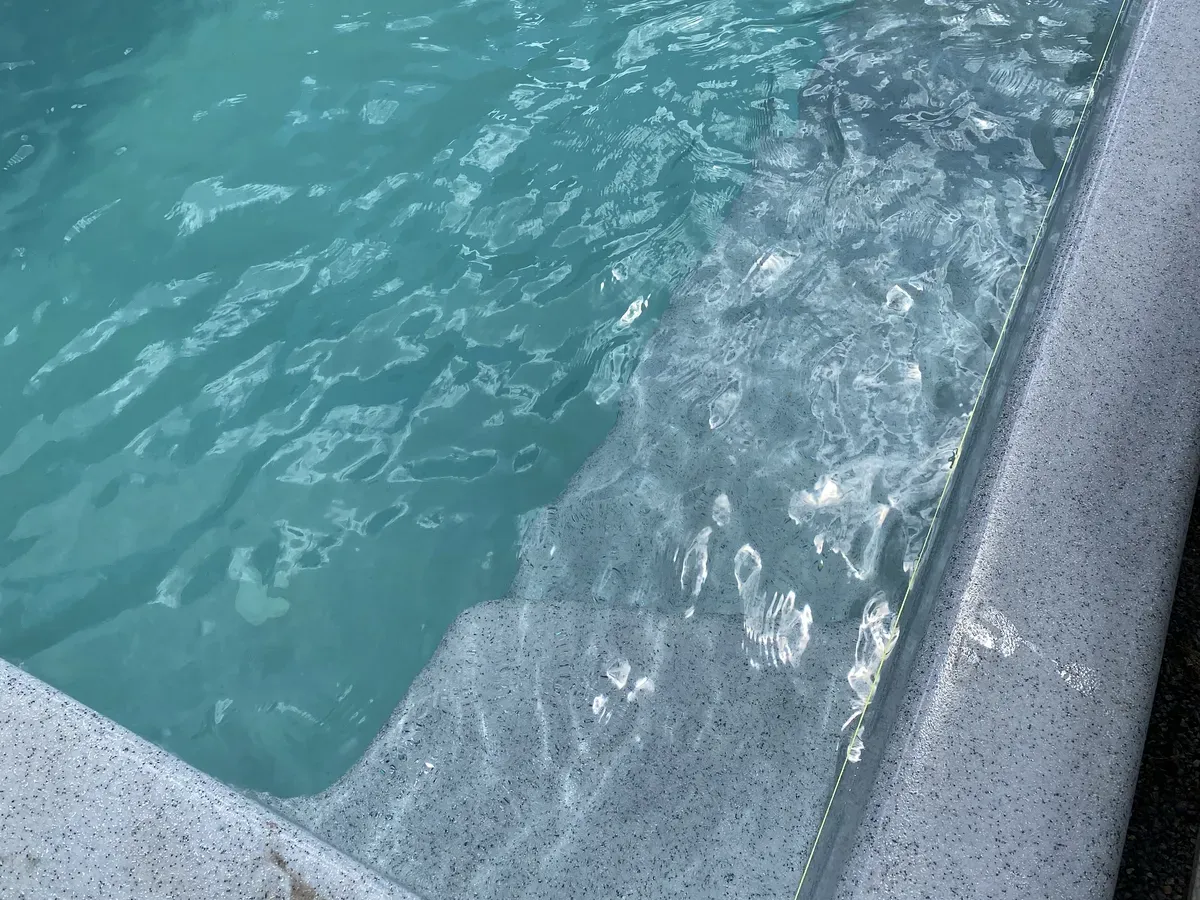
A magnesium pool is generally not worth retrofitting to an otherwise healthy salt pool based on wellness claims. Muscle recovery has not been established as a benefit, and the retrofit requires replacing a working chlorinator. A retrofit based on a preference for softer-feeling water may still be worthwhile.
What a mineral pool costs has two components: the additional cost of the mineral chlorinator in a new build and the recurring cost of the mineral blend. Include both costs when deciding whether to install the system.
FAQs
How long should you stay in a magnesium pool?
There is no mineral-related limit on how long you can stay in a magnesium pool. Float tanks and therapy baths contain magnesium at much higher concentrations than backyard pools and are used for short, timed immersions. In a magnesium pool, appropriate swim duration depends on sun exposure, water temperature, the swimmer’s body temperature, and supervision for children.
Do you need to shower after swimming in a magnesium pool?
Rinse off after swimming in a magnesium pool as you would after swimming in any chlorinated pool. A magnesium pool contains chlorine because the chlorinator produces it from the magnesium chloride blend. The blend does not change the recommendation to rinse off.
Is a magnesium pool better than a salt pool?
A magnesium pool does not sanitise better than a salt pool. Both systems use chlorine that their chlorinators generate from dissolved chloride.
A magnesium pool uses a chlorinator rated for a magnesium chloride blend and requires that blend from a pool shop. Owners report that the water feels softer against their skin. A salt pool uses a salt chlorinator with sodium chloride and requires pool salt, which is inexpensive and widely available.
The choice depends on water feel, consumable cost, and hardness management.
Can you put too much magnesium in a pool?
Yes. Excess magnesium increases water hardness, which can produce scale on pool surfaces and equipment, cloudy water, and a heavier water feel. Correct the concentration by diluting and rebalancing the water. To prevent overdosing, calculate the dose from the measured pool volume and test the water before adding more magnesium.
Can I change my salt pool to magnesium?
A salt pool can be converted to a magnesium chloride blend if the chlorinator is rated for that blend. This requires replacing the existing salt cell, even if it is working, and changing the pool water to the magnesium chloride blend.
For a fibreglass pool, the builder must manage the water change. The water in the shell holds the shell in the ground, so changing the water is a structural decision and not a weekend DIY task.