Magnesium Pool Conversion: Steps, Equipment & Costs
What converting an existing pool to mineral water involves: chlorinator compatibility, product instructions, water replacement and ongoing testing.
Written by Tehbyn Nova, Head of Operations & Growth
Published · Updated
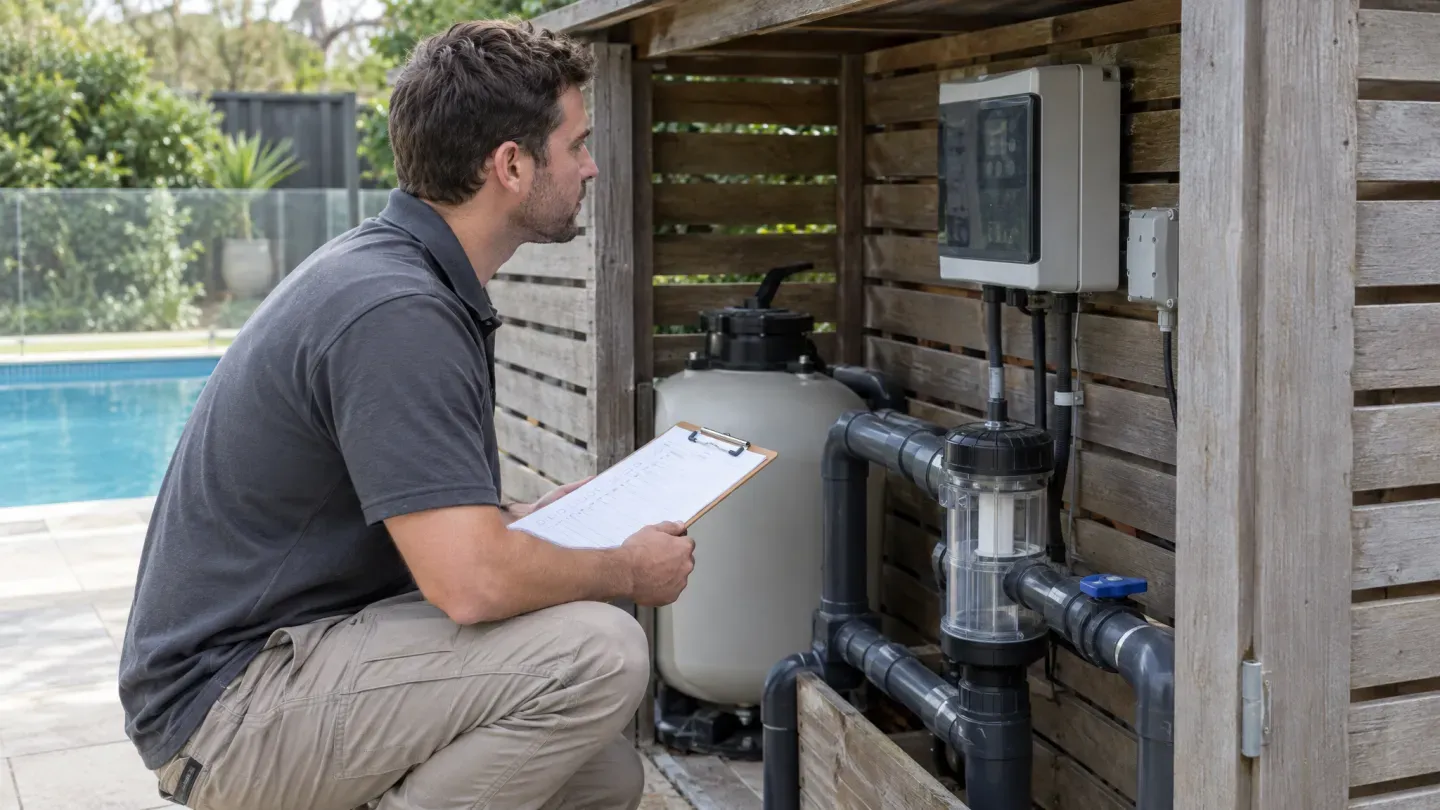
Can you convert an existing pool to mineral water?
Yes. Most existing pools can be converted to use mineral pool water. The conversion changes the pool equipment and water, regardless of whether the pool has a fibreglass, concrete, or vinyl-liner shell. In Australia, “magnesium pool” and “mineral pool” refer to the same pool category.
The required work depends on the existing chlorination equipment and the mineral system’s filter media requirements.
A pool with a salt chlorinator already has equipment that produces chlorine from dissolved salt. Confirm that the chlorinator cell is compatible with the mineral salt used by the new system. A manually chlorinated pool does not have a chlorinator, so the conversion requires installing one.
The mineral system manufacturer may also specify particular filter media. If the system requires different media, replace the existing filter media. Otherwise, the existing media can remain.
Can you just add magnesium to a salt or chlorine pool?
Adding magnesium chloride to a pool that has not been converted produces a mixture of salts, not a mineral pool. The magnesium dissolves and changes the water chemistry, but the pool system is not configured to maintain magnesium at the required concentration or generate chlorine from it.
A salt chlorinator cell is rated for a specific salt type and concentration. A magnesium blend can place an incompatible cell outside the manufacturer's specification, so the manufacturer's chlorine output figures no longer apply.
A converted mineral pool maintains its minerals at the concentration specified by the system. The target concentration, testing method, and replenishment after dilution from rain or backwashing are how mineral dosing works. Adding magnesium without these controls produces a concentration determined by the amount added, with no subsequent measurement or adjustment.
An unmanaged mixture of salts is not necessarily harmful, but its performance is unpredictable. Because the water composition is unknown, the owner cannot reliably predict or troubleshoot chlorine output, water balance, or cell life.
What equipment has to change to convert a pool?
A pool conversion has the following equipment and water requirements.
| Component | What a conversion does to it | Why |
|---|---|---|
| Chlorinator cell | Replace the cell, or verify that the existing cell is rated for the mineral salt | The cell is rated for a specific salt type and concentration. The selected mineral system determines both requirements |
| Filter media | Change the media only if the selected system specifies a different medium | The system manufacturer specifies the required filter media. Mineral systems do not have a common filtration requirement |
| Pool water | Add minerals and manage the existing salt according to the system instructions | The system specifies a target mineral concentration, so the starting salt concentration must be accounted for |
| Test kit | Add a kit that measures the parameters specified by the system | The specified parameters must be measured to maintain their target levels |
| Pump, plumbing, filter housing, cleaner, heating | Keep the existing equipment and exclude it from the conversion quote | The pump circulates water, the filter housing contains media, the cleaner cleans the pool floor, and the heating equipment raises the water temperature. These functions do not depend on whether the dissolved salt is magnesium-based |
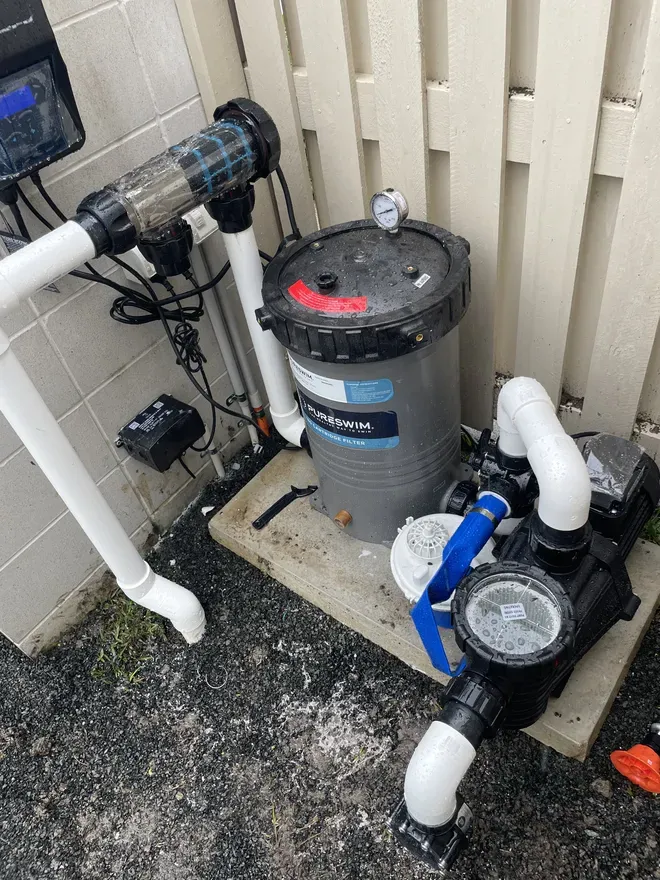
Mineral systems differ by manufacturer. Each manufacturer specifies the filter media and dose rate for its mineral blend. The system must therefore be selected before determining the filter media and water treatment requirements.
How do you convert a salt water pool to magnesium, step by step?
A salt water pool conversion to a magnesium system has six steps. Complete them in order because each step verifies or establishes conditions required by later steps.
-
Confirm the existing cell's rating, or plan a cell replacement. Check the cell's rating plate and the chlorinator's documentation for the supported salt type and concentration. If the selected mineral system uses a salt outside that rating, replace the cell before adding minerals. The cell must produce chlorine from the new mineral blend.
-
Check the filter media against the selected system's specification. The mineral system's documentation specifies the required filter medium. Compare this specification with the existing filter medium and arrange any required replacement while the pool still contains its original water.
-
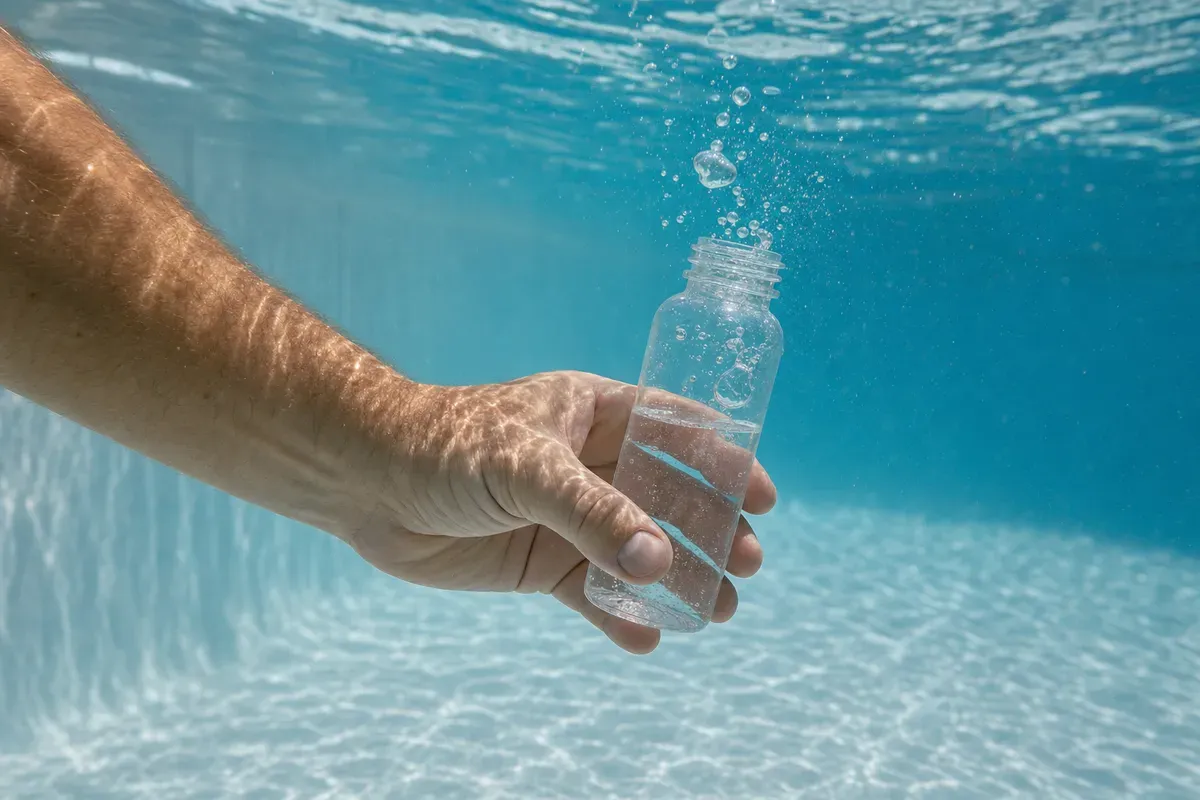
Test the water, including total dissolved solids and pH, before adding minerals. Minerals increase the total dissolved solids already present in the water. If the existing TDS is high, partially drain and refill the pool before adding minerals. Also measure the pool's volume because mineral dose rates are based on water volume.
-
Add the minerals at the dose rate specified for the pool's volume. Calculate the required quantity using the selected system's documented dose rate and the measured pool volume. Do not use another system's dose rate or another pool's volume.
-
Run the pump to circulate and dissolve the minerals, then rebalance the water. Allow sufficient circulation before testing the mineral concentration. After the water has circulated, retest pH, total alkalinity, calcium hardness, and stabiliser. Correct any values that have changed.
-
Verify the chlorinator's output against the system's target range. After adding the minerals and balancing the water, set the chlorinator's output. Test the water to confirm that the pool maintains the sanitiser level specified in the system's documentation.
This process does not use fixed figures that apply to every pool. The system's documentation provides the dose rate and target sanitiser level, the measured pool volume determines the mineral quantity, and the cell's rating plate determines compatibility. Figures from another pool do not account for these requirements.
Steps 1, 2, and 3 are checks that do not change the pool. Omitting them can require work to be repeated. A water test cannot determine whether the cell is rated for the new salt. Any required filter media replacement is easier while the pool still contains its original water. A TDS test performed after adding the minerals cannot establish whether the pool required a partial drain beforehand.
How do you convert a chlorine pool to mineral water?
Converting a manually chlorinated pool to mineral water requires installing a mineral-rated chlorinator. An equipment installer fits the chlorinator at the pool’s equipment pad and connects it to a power supply. By comparison, converting a salt pool mostly involves changing a component inside the existing chlorinator.
The mineral concentration does not sanitize the water by itself. The chlorinator must be installed and operating to produce chlorine from the minerals in the water.
A manually chlorinated pool contains no pool salt, so there is no existing salt concentration to measure, dilute, or reconcile with the mineral system’s target. However, the water still contains dissolved solids from the fill water and accumulated over time, so it requires testing before minerals are added.
After installation, the process follows the same sequence as a salt pool conversion. Test the water, add minerals at the rate specified in the system documentation for the measured pool volume, and then set and verify the chlorinator output.
How do you set up a new pool on mineral water from day one?
A new pool does not require conversion because it is commissioned with mineral water during the first fill. The fresh water has not previously contained salt, and there is no existing chlorinator cell that requires a compatibility check.
Complete the first fill in this order:
- Fill the pool to its operating level. Record the fill volume because subsequent mineral doses are calculated from this volume.
- Balance the fresh water. Set the pH, total alkalinity and calcium hardness before adding minerals.
- Add the minerals at the rate specified in the system documentation for the measured pool volume. The dosing method is the same for a new pool and a converted pool.
- Circulate the water until the minerals are fully dissolved. Allow the water to complete a turnover before testing so that the sample represents the water throughout the pool.
- Set and verify the chlorinator output. Use the target range in the chlorinator documentation, then test the water to confirm that it remains within that range.
After commissioning, test the water on a schedule and maintain the mineral concentration specified by the system. Add minerals after rain or backwashing dilutes the pool water, and clean the chlorinator cell so that it continues producing at the specified rate. Continue testing pH, total alkalinity, calcium hardness and stabiliser, along with the specified mineral concentration.
We hand over our fibreglass pools swim-ready with mineral water from the first fill, so a new build does not require conversion. A mineral chlorinator is included in the standard package rather than offered as an upgrade, and we include the first year’s minerals. The handover also includes a 4-in-1 test kit and a sample bottle. Our builds include an oversized cartridge filter and a variable-speed pump.
New fibreglass pools have installed price bands based on size category.
| Pool size | Length | Depth | Installed from |
|---|---|---|---|
| 3m to 4m | 1.45m level | $45,847 | |
| 4m to 5.5m | 1.0m to 1.78m | $45,613 | |
| 6m to 7m | 1.0m to 1.88m | $54,443 | |
| 7.2m to 8m | 0.98m to 1.96m | $60,374 | |
| 8.5m to 11m | 1.0m to 2.0m | $72,535 |
Live all-inclusive installed pricing for standard site conditions in South East Queensland — updated straight from our quoting system.
What does a magnesium pool conversion cost?
A magnesium pool conversion cost consists of four possible items:
- Chlorinator equipment. The age and rating of the existing chlorinator determine whether the conversion requires a replacement cell or a complete chlorinator. A pool that uses manual dosing and has no chlorinator requires a complete unit.
- Filter media. This cost applies only when the selected system specifies a different filter medium.
- Initial mineral fill. The required quantity is based on pool volume and the specified dose per unit of volume. Larger pools require proportionally more product to reach the same concentration.
- Water testing. A test establishes the water composition before minerals are added.
Pool volume and existing equipment also determine the cost of a mineral pool over its operating life, including the initial mineral fill and subsequent top-ups. Installers therefore prepare conversion quotes for the specific pool, its volume, and its existing equipment.
Who does the work on a mineral pool conversion?
A pool shop or equipment installer performs a mineral pool conversion. The installer replaces the cell or installs the chlorinator, changes the filter media if the system requires it, tests and doses the water, and commissions the chlorinator to operate within the system's target range. For a manually chlorinated pool, the installer also fits and wires the new chlorinator.
We do not perform conversions. We build new fibreglass pools and use mineral water from the first fill. This work differs from retrofitting a mineral system to an existing, operating pool.
After commissioning, the owner is responsible for routine water testing and mineral top-ups. This begins when the chlorinator is operating within the system's target range and the water is balanced. The installer then provides equipment servicing as required.
FAQs
Can you put too much magnesium in a pool?
Yes. A mineral system specifies a magnesium concentration range. Adding magnesium above this range wastes product and can affect water clarity and chlorinator cell operation. Chemicals cannot remove the excess magnesium; reducing its concentration requires dilution through a partial drain and refill.
Do you have to drain the pool to convert it?
Usually not. Conversion does not require a full drain. A partial drain is necessary only when the total dissolved solids concentration is too high to add the required minerals.
Never drain a fibreglass pool, fully or partially, to correct water chemistry. The water holds the shell in the ground. Draining a fibreglass pool is a structural decision for the pool builder, not a water-treatment procedure.
What are the disadvantages of a magnesium pool?
A magnesium pool is still a chlorinated pool. It requires the system’s specified filter media and dose rate for every top-up and media change throughout operation, not only during setup. Its minerals cost more per top-up than pool salt, which increases running costs.
Are magnesium pools better than chlorine?
Magnesium pools are chlorinated pools. Their chlorinators produce chlorine from a dissolved magnesium-based mineral salt blend, using the same process that salt chlorinators use with sodium chloride. The relevant comparison is therefore between magnesium-based mineral salts and sodium chloride, not between chlorine and no chlorine. A manually dosed pool contains no salt because chlorine is added manually rather than produced in a chlorinator cell.
Can you convert a fibreglass pool to a magnesium pool?
Yes. A fibreglass pool can be converted under the same requirements as a concrete or vinyl-liner pool. The conversion applies to the chlorinator, filter and water, not the pool shell. The existing chlorinator cell must be rated for the mineral salt, and the filter media must meet the selected system’s specifications.