Fibreglass Pool Paving and Decking: Materials Guide
What can be paved or decked against a fibreglass pool, how the concrete is isolated from the shell, and what the pool price already covers.
Written by Tehbyn Nova, Head of Operations & Growth · Technically reviewed by Caleb Druhan, General Manager (QBCC licence 15087383) on
Published
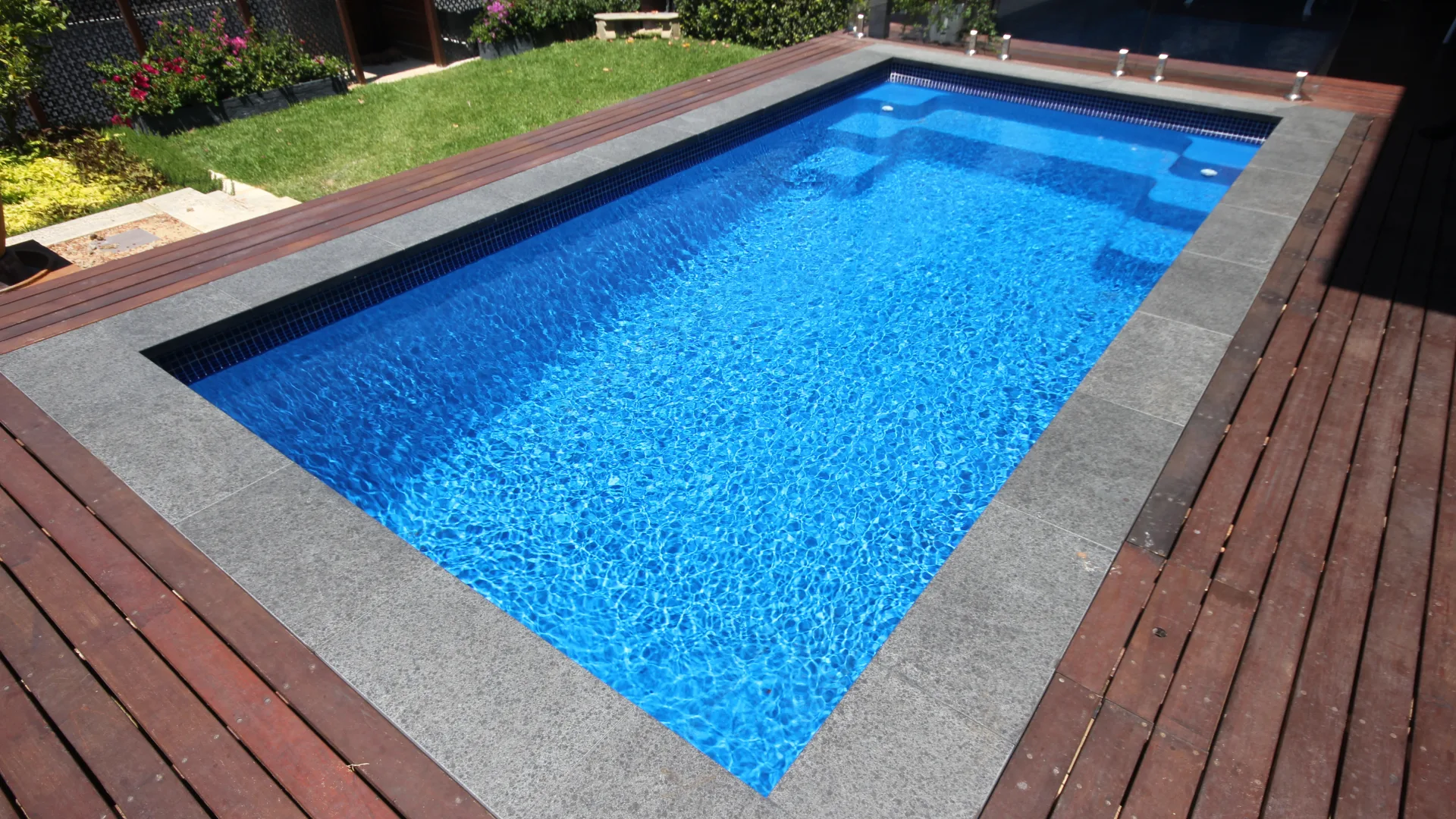
What goes around a fibreglass pool, and how much of it is in the pool price?
A fibreglass pool surround has four areas:
- Coping: The first course of pavers, installed on the concrete beam at the top of the pool shell.
- Wet-edge paving: The paved area directly outside the coping. People stand here when entering or leaving the pool.
- Wider paving or a deck: The entertaining area beyond the wet-edge paving.
- Garden and planting: The area where the pool surround meets the rest of the yard.
The installed pool price includes premium paved coping around the entire pool. It does not include wider paving, decking, landscaping, or pool fencing. The owner arranges these items. Our price list identifies what the installed pool price includes and excludes.
| Pool size | Length | Depth | Installed from |
|---|---|---|---|
| 3m to 4m | 1.45m level | $45,847 | |
| 4m to 5.5m | 1.0m to 1.78m | $45,613 | |
| 6m to 7m | 1.0m to 1.88m | $54,443 | |
| 7.2m to 8m | 0.98m to 1.96m | $60,374 | |
| 8.5m to 11m | 1.0m to 2.0m | $72,535 |
Live all-inclusive installed pricing for standard site conditions in South East Queensland — updated straight from our quoting system.
The installed price bands include the pool installation and paved coping. To calculate the cost of the finished backyard, add the cost of wider paving or decking, pool fencing, gardens, and landscaping.
Some work must be planned before selecting paving or decking materials. Concrete is poured around the perimeter of every fibreglass pool as a structural component. The finished surround must also allow for the installation of a compliant pool barrier before the pool can be certified.
Can you pour concrete around a fibreglass pool?
Yes. Concrete is poured around the perimeter of a fibreglass pool in two sections.
The first section is the structural bond beam and collar. This reinforced concrete is poured around the top of the pool shell. It stabilises the shell edge and supports the coping course. The structure supporting the pool surround is engineered for direct contact with the shell.
The second section is the decorative slab outside the bond beam. It provides a walking surface and can be finished for appearance and grip.
Concrete work is quoted separately. Items can include:
- Concreting beyond the included band
- A concrete pump when the truck cannot reach the pour
- Under-fence concrete strips
- Concrete and paver cuts
- Pavers, concrete mix and concrete labour
Site access determines the required equipment and can affect the quote:
- A mini digger can use access that is 1.38 m wide or less.
- A mini excavator with a standard bobcat requires 1.38 to 1.57 m.
- Full-size equipment requires at least 1.57 m.
The default quote assumes 3 m of clear access from the kerb to the pool hole.
Poured concrete shrinks. Shrinkage is fastest during the first 48 hours. Shrinkage cracks usually appear within the first 28 days and are not structural cracks. Structural cracks indicate ground movement. Saw-cut control joints are installed every 4 to 5 metres to control where cracks occur.
Concrete pool surrounds are available in four finishes:
- Broom
- Textured
- Stamped
- Exposed aggregate
Stamped concrete uses an acrylic sealer. It requires resealing every 2 to 3 years. The 7-Year Workmanship Guarantee covers the installation of concrete surrounds.
Can pavers be glued to a fibreglass pool?
Field pavers are bedded, not glued. They are cured before delivery and do not shrink or crack after installation. Installers lay them by hand on compacted gravel and levelling sand. The joints must be re-sanded every few years. Pavers do not need shrinkage-control joints.
The first course is the edge course that borders the water. It uses a different fixing method.
Before installing the coping and paving, installers apply a waterproof membrane over the reinforced concrete. The membrane prevents moisture and efflorescence from passing through the finished units.
Coping has two pricing categories. Category 1 is standard. Category 2 is an upgrade priced per pool instead of at a flat rate.
The following table compares poured concrete and pavers:
| Poured concrete | Pavers | |
|---|---|---|
| How it goes down | poured wet and cured in place | cured before delivery and hand-laid on compacted gravel and levelling sand |
| Cracking | shrinks fastest in the first 48 hours; shrinkage cracks usually appear within the first 28 days | do not shrink or crack in place |
| Joints | saw-cut every 4–5 m to control cracking | re-sanded every few years |
| Repair | patched or cut out | individual units lifted and reset |
| Finish options | broom, textured, stamped, or exposed aggregate | stone or concrete units, with a choice of colour and format |
What decking is best around a fibreglass pool, timber or composite?
Timber decking has lower purchase and installation costs. It requires oiling or staining every 6 to 12 months. Composite decking has higher purchase and installation costs but requires less maintenance.
| Timber decking | Composite decking | |
|---|---|---|
| Upfront cost | lower to buy and install | higher to buy and install |
| Maintenance | oiling or staining every 6 to 12 months | a rinse and an occasional scrub |
| Wet underfoot | slippery unless treated or textured | built-in slip-resistant texture |
| Water and rot | can splinter, fade or rot untreated; vulnerable to pests and decay where water is trapped underneath | low absorption |
Pool decking is often wet when the pool is in use. Timber can become slippery when wet unless it is treated or textured. Composite decking has a built-in slip-resistant texture.
Water can also collect under the boards. Untreated timber can splinter, fade, or rot. It is also vulnerable to pests and decay when water is trapped underneath. Composite decking has low absorption.
Choose based on upfront cost and ongoing maintenance. Timber requires oiling or staining once or twice a year. Composite requires rinsing and occasional scrubbing but costs more to install.
Decking sits beyond the coping and wet-edge paving. It is not included in the installed pool price and requires a separate contract arranged by the owner.
Can a fibreglass pool be built into a deck or sit above ground?
Because of the way the pool is made, it can be installed in-ground, partially above ground, or completely above ground.
Pool shells installed above the natural ground level require structural support, such as retaining walls or framed decking. This also applies to partially raised shells on sloping blocks.
A deck can support a raised pool shell. The owner must arrange and pay for decking around the pool because it is not included in the installed pool price.
All swimming pools in Australia require approval from the local building regulator before installation. This requirement applies to both above-ground and in-ground pools. We build in ten council areas: Brisbane, the Gold Coast, Ipswich, Logan, Moreton Bay, Noosa, Redlands, the Sunshine Coast, Lockyer Valley, and Somerset.
How does the pool fence change where paving and decking can go?
The fence line must be set before the pool surround is installed. The concrete or paving around the pool provides a permanent base for a compliant pool barrier. The pool cannot be certified until the barrier is installed and inspected. Landscaping does not need to be complete for certification.
Two quoted items depend on the fence line:
- The under-fence concrete strip is included in the concrete work. The fence line must therefore be set before the concrete is poured.
- If the fence line is within 1200 mm of the waterline, the fence must be earthed. Earthing is quoted as a separate item.
Any deck or paved area that crosses the fence line must be planned before the under-fence strip is poured.
Pool fencing is not included in the pool price.
| Installed price | 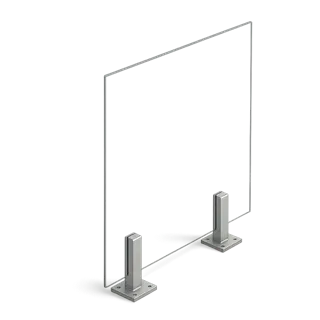 Frameless glass Frameless glass | 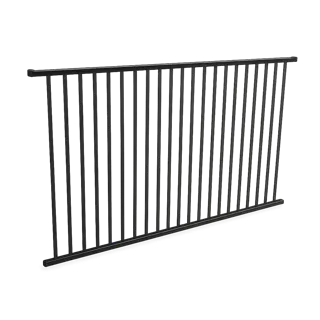 Flat-top metal Flat-top metal |
|---|---|---|
| Fencing, per metre | $462 | $198 |
| Self-closing gate, per unit | $495 | $330 |
| Panels on a retaining wall, per metre | $297 – $737 | $385 – $605 |
| Earthing (where required) | $40/m | $150 per job |
| Timber post upgrade, per metre | — | $66 |
| Typical pool: 20m fence + 1 gate | $9,735 | $4,290 |
Live rates from our quoting system — glass and metal fencing installed to QLD pool-barrier standards alongside your pool build.
Temporary pool fencing is required once the pool contains more than 300 mm of water. It must remain in place during installation and filling, before the permanent surround is installed.
Queensland's pool safety rules specify the barrier requirements. Set the fence line first, then plan the paving, decking and garden around it.
FAQs
Is it better to have pavers or concrete around a pool?
Neither option is always better. Poured concrete provides a continuous surface and is available in four finishes. It requires saw joints to control where shrinkage cracks occur. Pavers are already cured and do not shrink. If a paver is damaged, you can lift and replace it instead of cutting out a section.
What is the best type of paving for around a pool?
Choose based on heat and slip resistance. Travertine stays cool and does not become slippery when wet. Bluestone provides a non-slip surface. Both options use the same underlying build-up.
What is the lowest maintenance pool decking?
Composite decking requires the least maintenance. Rinse it regularly and scrub it occasionally. Timber decking requires oiling or staining every 6 to 12 months. Composite decking also has low absorption and a built-in slip-resistant texture. It costs more to purchase and install than timber decking.
What can you put around a pool instead of concrete?
Options include pavers, timber decking, composite decking, and garden beds or planting beyond the paved area. Concrete is still poured around the pool shell to form the structural bond beam and collar, regardless of the material used beyond it.
Do I need a permit for a deck around my pool?
Approval from the local building regulator is required before installing any swimming pool in Australia, whether above or below ground. Certification occurs after a compliant barrier is installed and inspected.
The deck is not included in the installed pool price. The owner must arrange it separately from the pool build. Landscaping does not need to be complete for certification.